The Terminal Wilderness of Europe
At the conclusion of its 2,857-kilometer trajectory across central and eastern Europe, the Danube branches into three distinct river corridors near the city of Tulcea, Romania: the Chilia branch in the north (forming the Ukrainian border), the central Sulina channel (the primary dredged maritime shipping lane), and the southern meandering Sfântu Gheorghe branch.
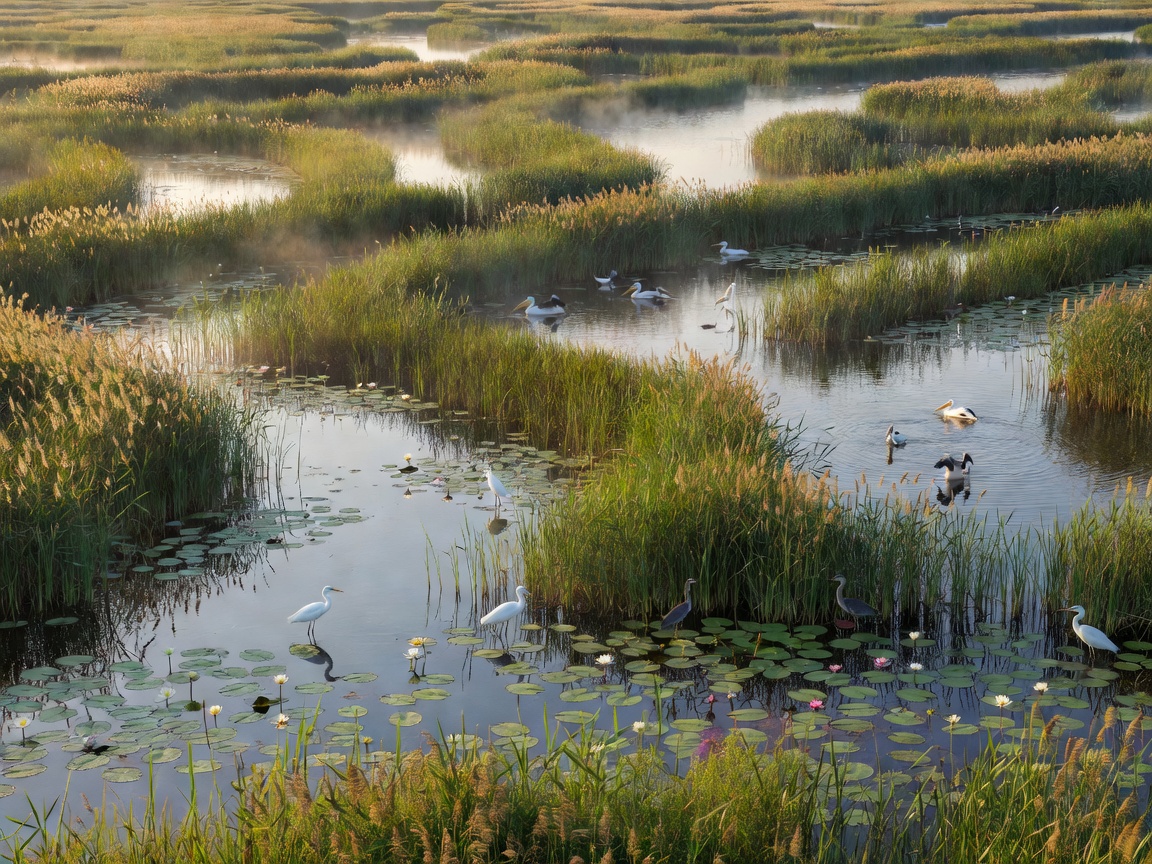
Biodiversity and Pelican Sanctuaries
Designated a UNESCO World Heritage site and Biosphere Reserve in 1991, the Delta hosts the largest expanse of reedbeds in the world, covering more than 1,500 square kilometers. It serves as a vital stopover on the avian migratory route between the Arctic and the Mediterranean basin, sheltering over 300 bird species including 90% of the European breeding population of the Great White Pelican (Pelecanus onocrotalus) and the endangered Pygmy Cormorant.
Letea Forest & Maritime Sand Dunes
Hidden within the northern part of the delta lies Letea Forest, Europe's northernmost subtropical oak forest growing on ancient maritime sand dunes. Here, 500-year-old oak trees are interwoven with Greek liana climbing vines, and herds of wild horses run unmanaged across coastal sand banks.
Navigational Access: Mile Zero at Sulina
Unlike other parts of the Danube where distances are measured in kilometers upstream from the Black Sea, the maritime sector between Sulina and Brăila is measured in nautical miles. Sulina is accessible exclusively by watercraft. The iconic 19th-century Sulina Lighthouse marks the historic "Mile Zero" point where the freshwater discharge of the entire Danube basin meets the open tides of the Black Sea.